


Description
🪵 Kosipo Wood Exporter in Cameroon – FOB Douala
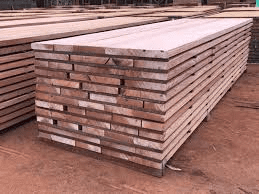
Kosipo wood exporter in Cameroon supplying African hardwood for international buyers involved in furniture manufacturing, interior joinery, doors, veneer production, and architectural projects. Kosipo timber is processed in Air-Dried (AD) or Kiln-Dried (KD) condition and shipped under FOB Douala terms with complete export documentation.
Because buyers sourcing Kosipo usually focus on appearance, stability, and finishing quality, export orders follow confirmed specifications from processing through vessel loading. As a result, shipments remain consistent in grade, moisture content, and packaging method.
About Kosipo Wood
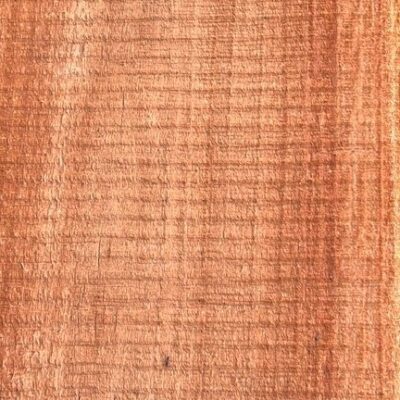
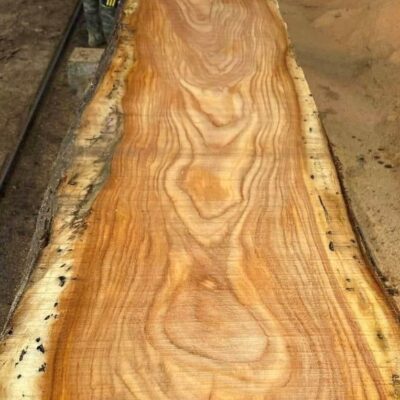
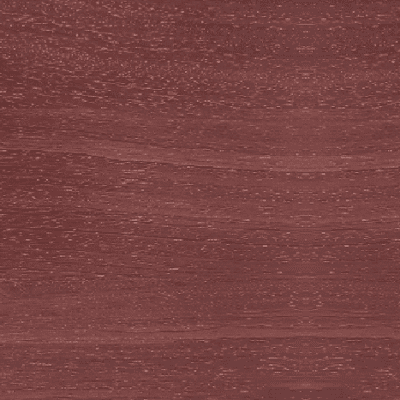
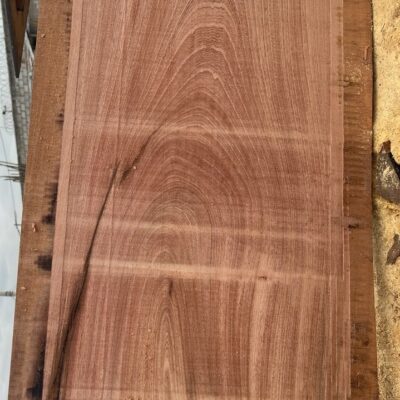
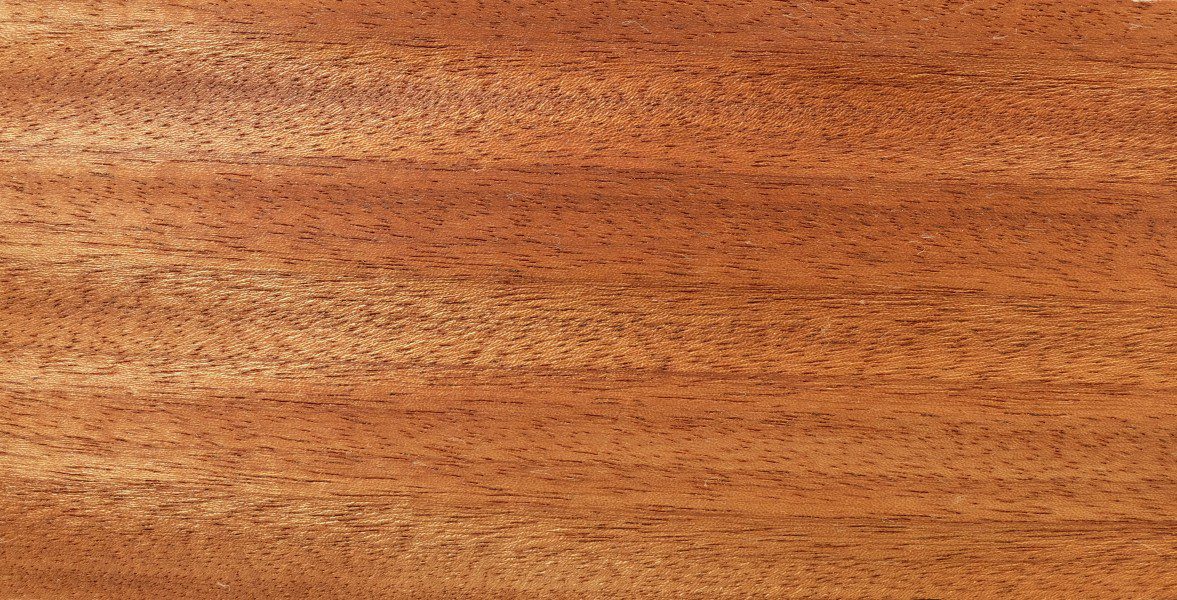
Kosipo is a tropical African hardwood commonly grouped with mahogany-type species. Buyers value it for its reddish-brown color, uniform texture, and good machining properties. Due to these characteristics, Kosipo serves as a practical option for applications where visual consistency and workability matter.
Moreover, Kosipo finishes smoothly and accepts stains and coatings evenly. When properly dried, it performs well in interior applications and protected exterior uses. However, controlled drying and careful machining remain important because of its interlocked grain.
For these reasons, buyers frequently use Kosipo wood for:
-
Furniture manufacturing
-
Interior joinery and cabinetry
-
Doors and window frames
-
Veneer and plywood production
-
Architectural woodwork
Kosipo Timber Specifications
-
Species: Kosipo (African hardwood)
-
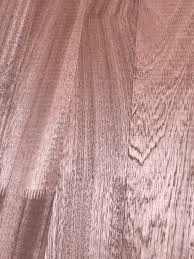
Color: Pinkish brown to reddish brown
-
Texture: Fine to medium
-
Grain: Interlocked
-
Density: Approx. 600–700 kg/m³
-
Moisture condition: AD or KD
-
Origin: Cameroon
-
Minimum order: 25 m³
-
Monthly availability: Export-scale volumes
However, specifications may vary depending on cutting pattern, drying method, and order volume.
Available Kosipo Export Forms
Kosipo wood exporter in Cameroon supplying the following forms:
-
Kosipo logs
-
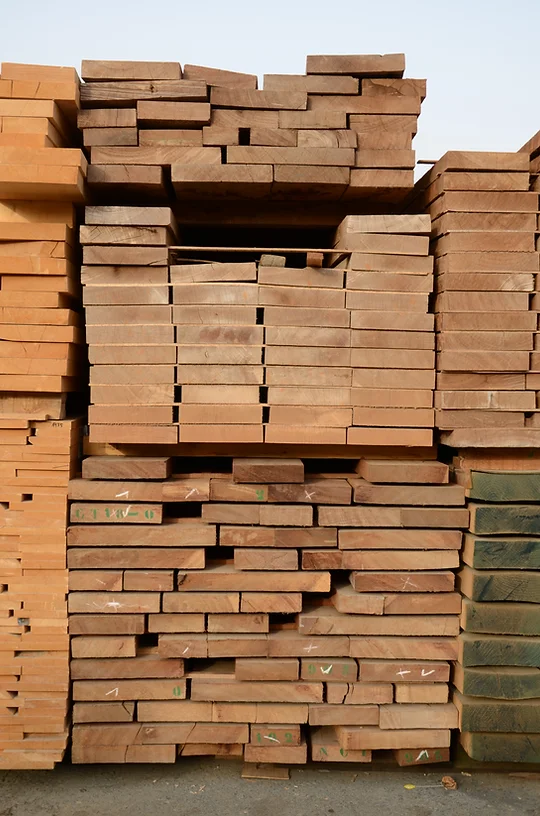
Kosipo sawn timber
-
AD (Air-Dried) Kosipo
-
KD (Kiln-Dried) Kosipo
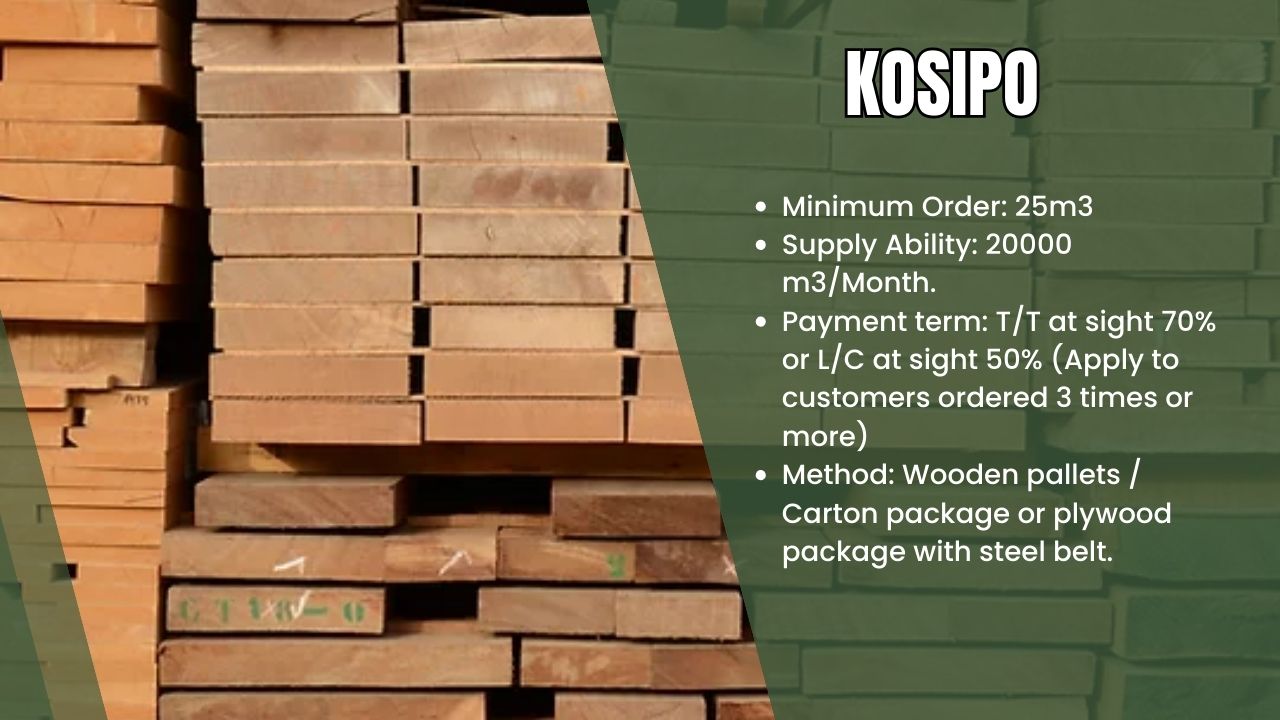
In addition, packaging is arranged using export-grade wooden pallets or plywood crates secured with steel strapping. The final packaging method depends on destination requirements and shipping conditions.
Export Compliance, Inspection & Shipping
Kosipo timber exports are prepared in line with international timber trade requirements, including:
-
Legal harvesting documentation
-
Export permits
-
Acceptance of third-party inspection such as SGS
-
Compliance with EUTR requirements
-
Shipment under FOB Douala Incoterms
Inspection standards are published by SGS:
https://www.sgs.com
Timber regulation guidance is provided by the European Union:
https://environment.ec.europa.eu
Consequently, buyers can review compliance requirements in advance and reduce transaction risk.
Why Buyers Source Kosipo Wood from Cameroon
Cameroon offers reliable access to Kosipo through managed forest resources and established export infrastructure. Therefore, buyers benefit from stable supply, competitive FOB pricing, and efficient Atlantic shipping routes.
In many cases, buyers source Kosipo together with other African hardwood species to consolidate shipments and optimize logistics.
The blunting effect varies from quite high to very high (silica) and peeling and slicing is reported to be good. Requires power. Sometimes difficulties due to interlocked grain (tearing). Nailing is good and gluing is correct. It dries normal to slowly. The drying of backsawn is more difficult and slower with higher risks of distortion. Quartersawn well dry is recommended for end-uses in exterior.
Kosipo is moderately durable to durable to fungi and is durable to dry wood borers; sapwood demarcated (risk limited to sapwood).
Uses of Kosipo Wood
Kosipo can be used for several applications such as:
Interior: e.g. flooring, stairs, panelling, sliced veneer, joinery, high class furniture, veneer, light carpentry
Exterior: e.g. exterior joinery, panelling
The adherence of finishing product may be difficult due to the presence of resin. Sanding must be done with care. Filling is necessary to obtain a good finish.